
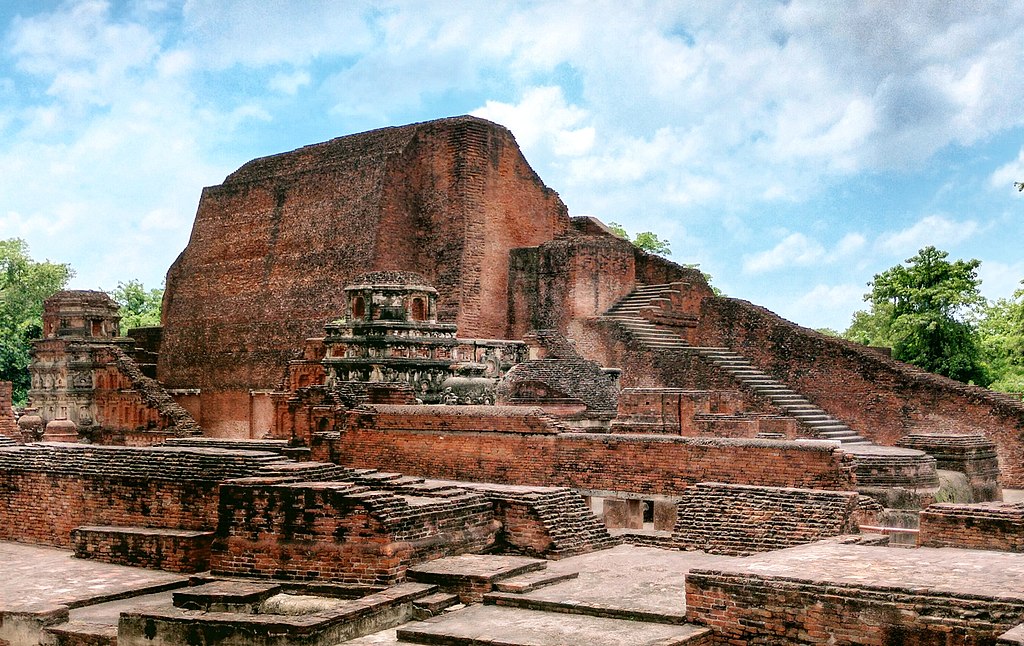
I have been confused about the “Tripitaka.” I hope the simplified table below helps. We all know that the original meaning of Tripitaka was three baskets as the teachings of the Buddha was originally recorded on sheaves and the sheaves were stored in baskets. Remember this was thousands of years ago—before paper and books were used—at least as we think of them today.
There are essentially three or four canons that are sometimes thought of as the “Tipitaka” that serve as the authoritative scripture or accepted texts for doctrine and practice of the traditions that use them: the Pali Canon, the Chinese Canon, the Japanese Canon, and the Tibetan Canon. Sometimes the Japanese is included as part of the Chinese as much of it is based on the classical Chinese Canon. They include many teachings that are the same, but they do not all include the same texts or the same emphasis. The following table attempts to give an idea of what they do and do not include. They reflect when Buddhism came to their countries and the period of the Buddha’s teaching that was in effect at that time. CLICK for article on the Five Time Periods of Shakyamuni Buddha’s Teachings.
The first basket or “pitaka” was the Vin or “Vinaya” and is included the monastic rules and disciplinary materials. The second was the Sutra (Sanskrit) or Sutta (Pali) Pitaka and it included the Discourses of the Buddha and some disciples. The third was the Abhidharma (Sanskrit) or Abhidhamma (Pali) Pitaka and it represented the scholarly systematic doctrinal analysis of doctrine found in the discourses contained in the Suttas/Sutras. The third basket was NOT the commentaries. The commentaries are technically outside the Tripitaka, but many are part of their respective canon as are Meditation Manuals, Philosophical Works, and other texts.
CLICK for November 14, 2026 video on the Evolution of Buddhism.
CLICK for November 14, 2026 article on the “Five Time Periods of Shakyamuni Buddha’s Teaching-Revised”.




Add comment