
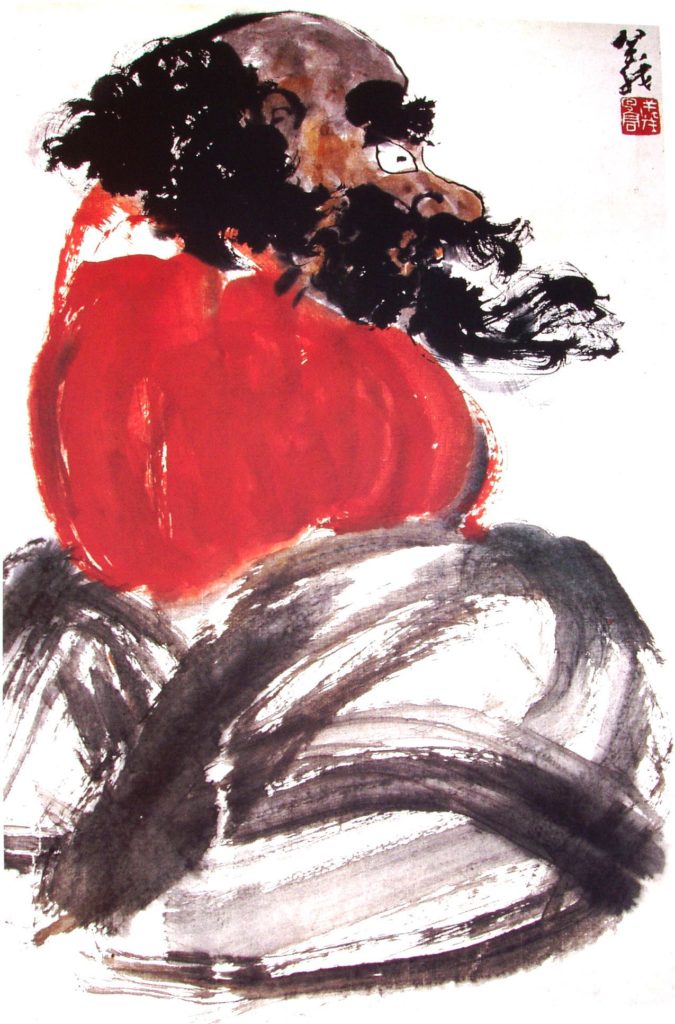
We held our second ZOOM discussion on Lesson Two: P10-“The Great Dharma of Zen Practice” on August 26, 2025 focusing on two examples of zen practice from ancient times in China– the methods used by the Gaomin Monastery in Yangzhou, China, and the lives of two early Chinese patriarchs–Shenxiu and Huineng. Using the following seven questions that Gesang Suolang Rinpoche developed from the H.H. Dorje Chang Buddha III’s text, we discussed the extreme methods employed at Gaomin and the differences between the poems of realization offered by the monks who became the patriarchs of the gradual and sudden enlightenment methods of zen. Next week, Tuesday September 2 at 6:00 pm Pacific Time, we will continue our study of zen meditation including the use of mantras in zen practice, a special aspect of zen practice provided by His Holiness. [NOTE: We took a break and looked at a very preliminary translation of Dorje PaMu;s Dharma of Concentration, Contemplation, and Visualization. We did not return to and finish the study of zen meditation contained in The Great Dharma of Zen Practice until December 2, 2025.]
Please note that the mantras themselves cannot be provided via internet nor are they available in the text. They must be transmitted by an appropriate master.
HOMEWORK-P10-The Great Dharma of Zen Practice, Lessons Two & Three: Read section of text from the zen mantras to the end of the text. Be prepared to answer questions 17-35 during the September 2 ZOOM Class. You may also submit your answers via course procedures.
The following are the questions associated with Lesson Two and my simple answers. You may download the text below and find the Buddha Master’s complete answers or, if you are enrolled in P-10, you may also watch the videos of how the participants in this week’s class answered the questions. You may also still enroll in the course and join us for next week’s discussion (instructions below).
What were three zen practice methods used at the Gaomin Monastery?
First, they had to let go of all they had learned to date. Then three practices that consisted of 1-running zen, 2-sitting zen, and 3-drinking of water zen. In each case you did a certain task under the eye of a cudgel carrying monk who would severely beat you, even kill you, if you violated any of the strict rules of when and how you could do it.
Why were these methods so successful that every seven days someone would have a breakthrough?
Fear of death or severe injury caused you to focus your mind. Your consciousness did not wander. Extraneous thoughts were cut off and when this happens your original nature emerges.
Shenxiu was the Zen School Patriarch whose poem exemplifies the gradual enlightenment method. What is that poem and what does it mean?
“The body is the bodhi tree,
The mind is like a bright mirror on a stand,
At all times, wipe it diligently,
And let no dust sully it.”
He had still not understood the nature of zen and the emptiness of all phenomena. He was focused on achieving purity, but not on the truth of prajna.
Hui Neng was the Zen School Patriarch whose poem exemplifies the sudden enlightenment method. What is that poem and what does it mean?
“Bodhi originally has no tree.
The bright mirror on a stand is also not real.
Not a single thing has ever existed. What, then, could dust sully?”
He did recognize the nature of reality and that all sentient and non-sentient things were empty or devoid of inherent existence. He understood zen.
What distinguishes the consciousness of a Holy One?
A Holy One does not differentiate.
What are some hindrances people experience when they sit down to meditate?
Their thoughts are scattered, they fall asleep, they are dull-minded and unfocused due to their karmic hindrances, evil karma, good karma, and ignorance-based karma.
Why is it difficult to concentrate during sitting meditation?
Because of these hindrances they cannot cut off thoughts, realize the zen state and enter samadhi.
The recording of the August 26, 2025 P10 class-Lesson Two (Questions 10-16) is now available below for those who are enrolled in this class.
August 26, 2025: P10-Lesson Two-Examples of Zen Practice, Video of ZOOM discussion (Questions 10-16).
August 19, 2025: P10-Lesson One-Background & Introduction, Video of ZOOM discussion (Questions 1-9).
CLICK for introduction and actual text used for The Great Dharma of Zen course-P10.
CLICK to enroll in P10 at LFBS.
CLICK to register for ZOOM.
CLICK for “The Story of Zen”: an introduction to the stories of Zen’s 1500-year innovation and transformation within the ever-changing cultures of China and then Japan. This is a treasury of Chan/Zen tradition: teachings, anecdotes, stories, legends, sayings, and wisdom culled from the classic texts of Chinese Chan and Japanese Zen that helps explain the activities at Zhen Ru Chan Temple.
CLICK for November 19, 2025, article on attending meditation retreat at Benevolence Temple, Las Vegas, Nevada, that featured moving meditation and cudgel bearers.
CLICK for November 26, 2025, article that includes video on moving meditation at Zhen Ru Chan Monastery in Jiangxi, China.


Add comment