
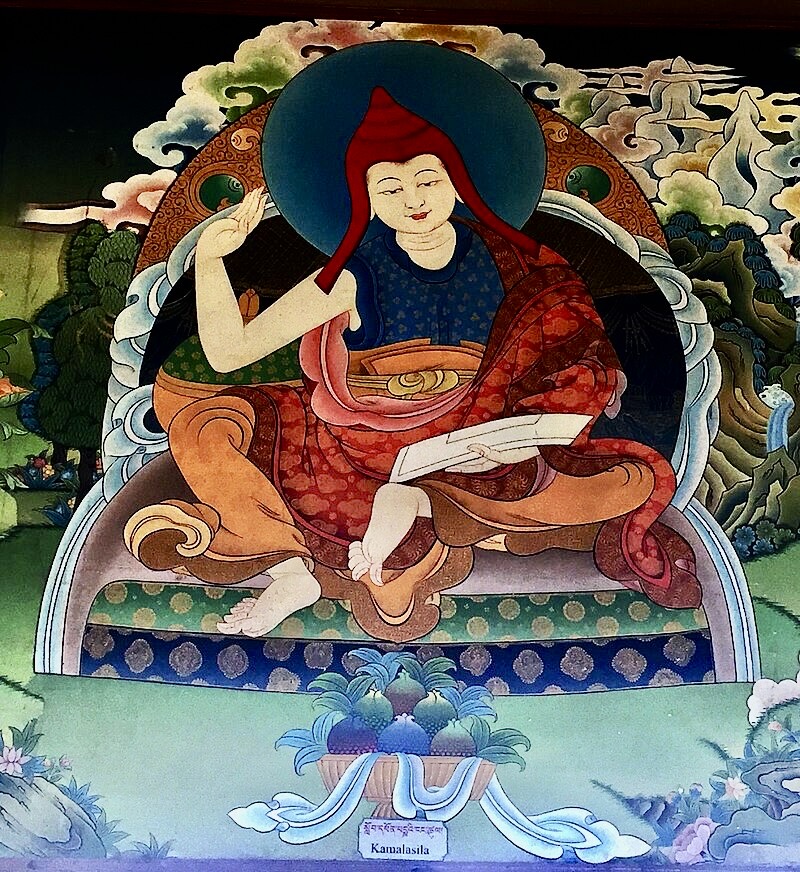
Since I used Kamalasila’s Bhavanakrama (Stages of Meditation) as a source in trying to decipher the very preliminary and only known translation of Dorje PaMu’s Dharma of Concentration, Contemplation, and Visualization, I thought you might like to know more about this eight century Indian Sanskrit scholar. His is an interesting story and an important one in the evolution of Buddhism in India and Tibet. The following is an edited version of what I found in Wikipedia and, as noted, told differently by different sources. The Wikipedia article contains more references and information.
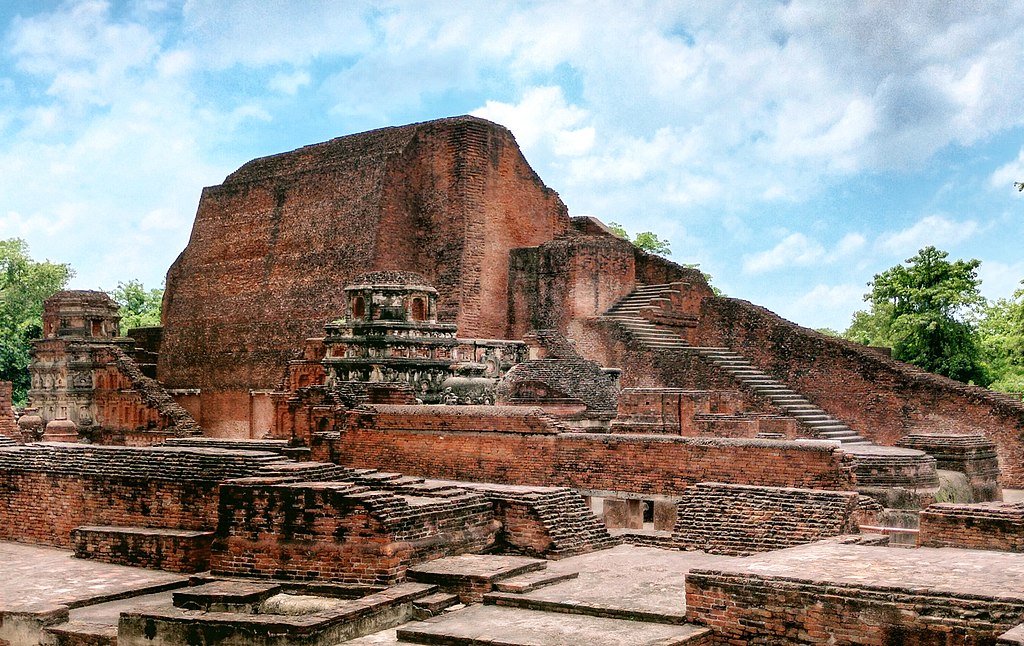
Kamalaśīla was an Indian Buddhist monk and philosopher of Nalanda Mahavihara. Notably he accompanied Śāntarakṣita (725–788) to Tibet at the request of Trisong Detsen.
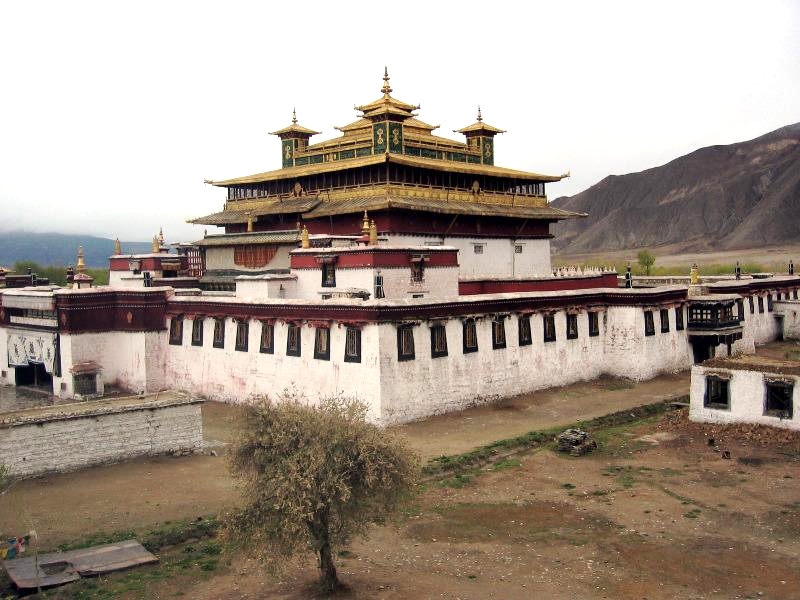
In 793 Trisong Detsen resolved that Moheyan, a Chinese Chan monk, did not hold the true dharma. Following intense protests from Moheyan’s supporters, Trisong Detsen proposed to settle the matter by sponsoring a debate, the “Council of Lhasa”, although it may actually have taken place at Samye, a considerable distance from Lhasa. Kamalaśila was invited to represent Vajrayana while Moheyan represented the East Mountain Teaching of Chan Buddhism. Most Tibetan sources state that the debate was decided in Kamalaśīla’s favour (though many Chinese sources claim Moheyan won)and Moheyan was required to leave the country and that all sudden-enlightenment texts were gathered and destroyed by royal decree. This was a pivotal event in the history of Tibetan Buddhism, which would afterwards continue to follow the late Indian model with only minor influence from China. Moheyan’s teachings were a mixture of the East Mountain Teachings associated with Yuquan Shenxiu and with the teachings of Baotang Wuzhu.
Kamalaśīla was a pivotal figure in the development of Indian Mahayana thought and made a number of original contributions in this field that demonstrated his knowledge of both Buddhist and non-Buddhist philosophies. In addition to this, his role as a missionary for Indian Buddhism and his supposed victory in the Debate of Samye helped shape the formation of Tibetan Buddhism. His works spanned several genres and touched upon different schools of Buddhism including Madhyamaka as well as the traditions espoused by Dignāga and Dharmakirti.
Much of what we know of Kamalaśīla’s life comes from later Tibetan sources which are comparatively late and therefore problematic. Little else is provided as to his life prior to travelling to Tibet aside from that he studied under Santaraksita in Nalanda and arrived in Tibet at the invitations of King Trisong Detsen after 788 CE after his teachers death.
Debate of Samye
It is said that following his victory, Kamalasila was murdered by three butchers who killed him by squeezing his kidneys. Sources disagree as to whether the killers were assassins hired by Moheyan or non-Buddhists who were against the rise of Buddhism in Tibet.
According to the lore of the orthodox, prevailing Tibetan cultural tradition, Kamalaśīla, a scholar educated at Nalanda, advocated the “gradual” process to enlightenment; whereas, Moheyan, as a trance and meditation master, advocated the “direct” awakening of original mind through the nirodha (cessation) of discursive thought, the cessation of the mind of ideation (basic unit of thought). The historicity of this debate has been drawn into question though this does not lessen its importance in defining the religious and cultural traditions of Tibet. Kamalaśīla was very handsome and a great orator and historically “won” the debate: though there are conflicting primary sources and secondary accounts.
Add comment